
prof. Stefania Serafin
Stefania Serafin is professor of Sonic interaction design at Aalborg University in Copenhagen and the leader of the Multisensory experience lab.
She is the President of the Sound and Music Computing association, Project Leader of the Nordic Sound and Music Computing network and lead of the Sound and music computing Master at Aalborg University. Stefania received her PhD entitled “The sound of friction: computer models, playability and musical applications” from Stanford University in 2004, supervised by Professor Julius Smith III.
Her research on sonic interaction design, sound for virtual and augmented reality with applications in health and culture can be found here: https://tinyurl.com/35wjk3jn
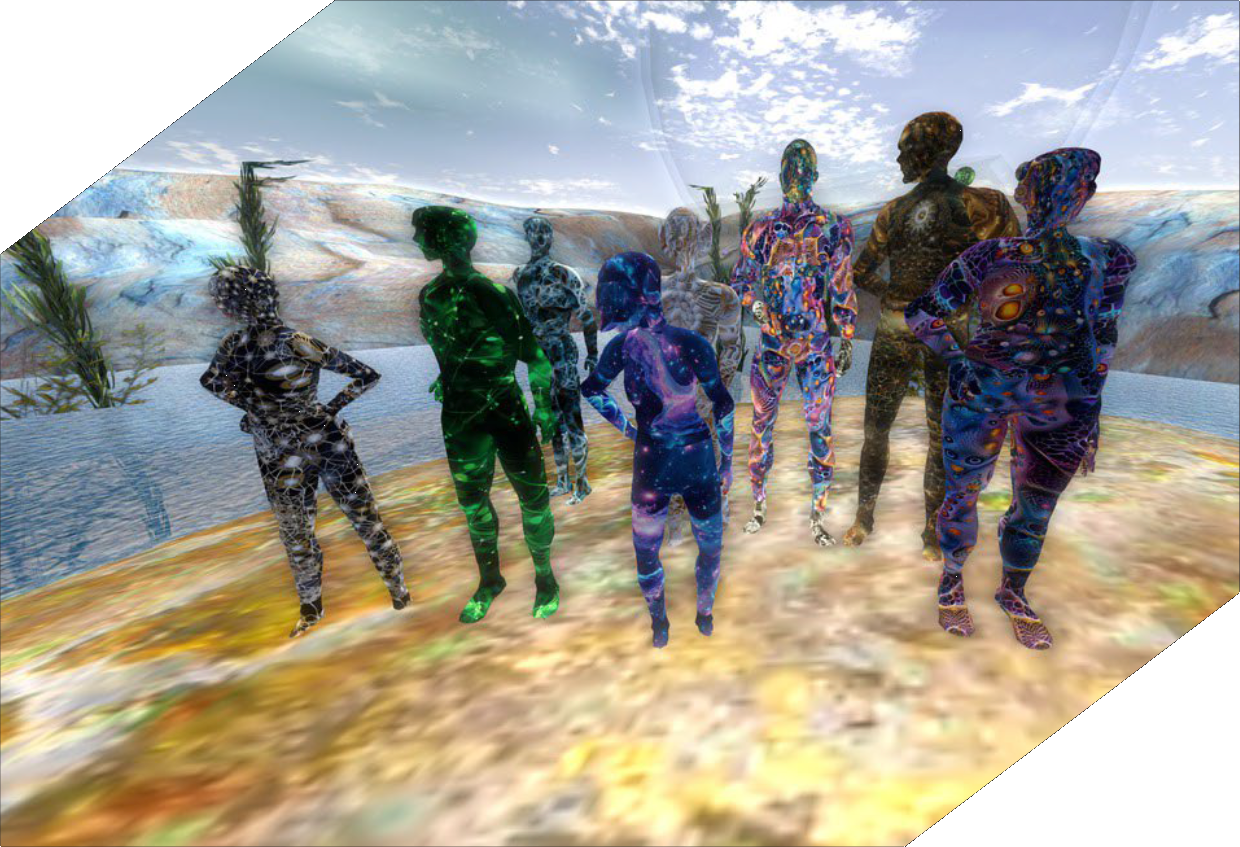
Avatar Orchestra Metaverse
The Avatar Orchestra Metaverse (AOM) is a collective of multi-disciplined artists cooperating in virtual spaces over multiple time zones. Since 2007, group members have developed sustained telematic relationships that inform their listening, creation, and performance skills, pioneering a new way of attending together through the world wide web. Working primarily in the online world of Second Life, AOM uses the platform as an instrument itself, exploring the creative and communicative possibilities of real time telematic connections within a virtual 3D audiovisual environment.
Rather than streaming sound into the online platform, AOM’s custom 'instruments' are created within the Second Life environment, making it possible for each performer in the Orchestra to trigger sounds, visuals, and animations independent from one another and to play together in real time. Combined with otherworldly virtual sets, shifting colours, textures, and light, an AOM performance invites a new kind of listening, with subtle yet powerful mind connections made audible within a rich and wildly varying sonic world.
Compositions created with the Avatar Orchestra, built around specifically designed virtual
instruments, include early works which explored the Second Life environment interface and the extreme manifestations of real 3-D sound; pieces which explore the intimacies of a single sound source; performance art-like pieces that reference iconic classically-influenced new music compositions with sensational virtual sets and game rules; sound art works that explore sonic phenomena and perception; and spectacular works that mix dramatic noises with musical sound while animating avatars with stunning visual effects and movements. A mesmerizing set of avatar masks that emit images, flora and fauna sounds, and animations offer ritualistic performance practices, and a set of instruments emit samples of the late Pauline Oliveros’ accordion sounds. A major collaboration with Oliveros and Australian artist Stelarc included giant rotating brains and virtual heart, the sounds of the nervous system, machines, and disembodied voices within a sonic exploration of the AC currents of North America and Europe.
AOM creates and performs with a dedicated core of 8 to 12 members in locations through Europe and North America. AOM has created and performed over 35 audiovisual works screened live at music and media events, in festivals and cinemas, and on television internationally. Its composers and contributing artists have included
*Bjorn Eriksson (Sweden); Leif Inge (Norway); Andreas Mueller, *Johannes Riedmann, *Chris Wittkowsky, *Max D. Well, and *Harald Muenz (Germany); Shintaro Miyazaki (Switzerland); *Biagio Francia (Italy); *Frieda Kuterna (Belgium); Viv Corringham, *Norman Lowrey, Pauline Oliveros, *Brenda Hutchinson, *Dani Williamson, and Tim Risher (USA); and *Tina Pearson, Erik Rzepka, Liz Solo, Cathy Fern Lewis, and Jeremy Owen Turner (Canada); among others.
*AOM members presenting for the Sounds of the Metaverse
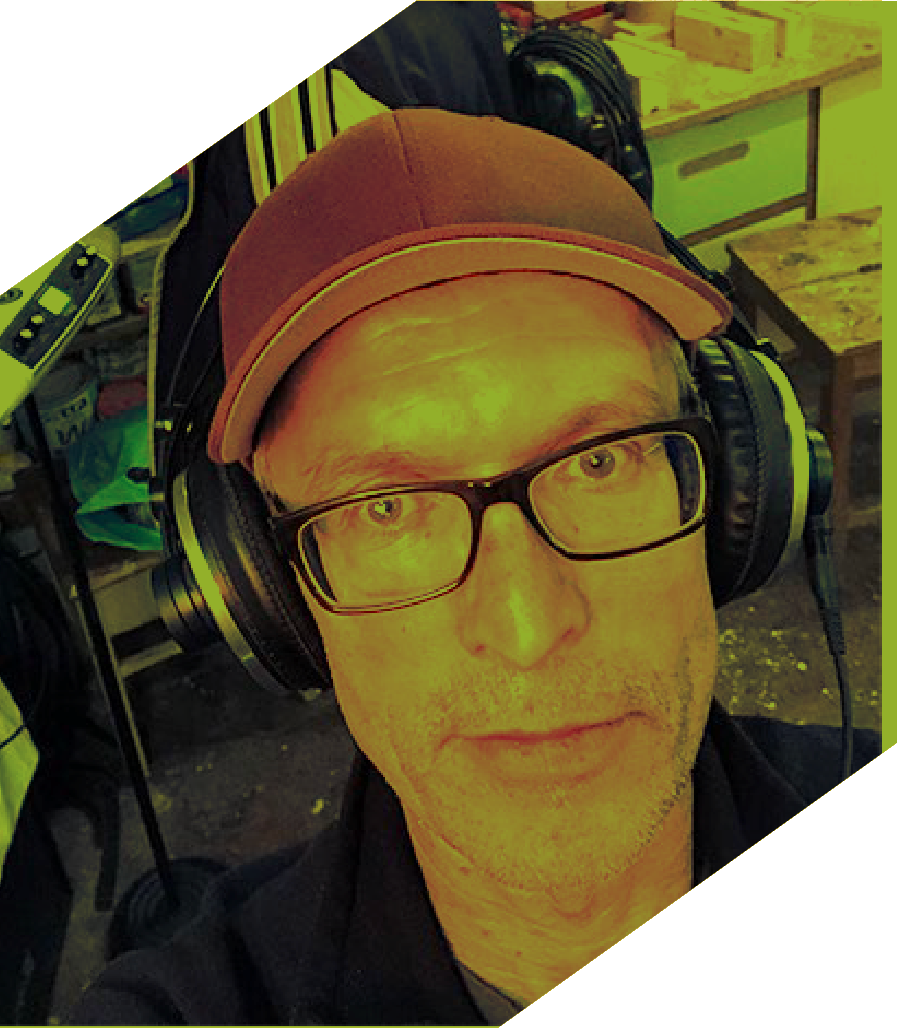
Chris Wittkowsky
Multidisciplinary artist working with video, sound, text, and performance. They explore embodied perceptions of space attuning to the tensions between virtual and physical realms. Their practice centers on questions of “place-ness” and the “phenomenology of the in-between” with creative outputs spanning from large scale video projections, online writing groups, to site-specific audiovisual performances which engage surrounding locations, artists and communities.
Dani is a co-artistic director and performer in Ptilia Ensemble (Haifa) and co-creator of Queered Futures Lab. They have been a participating member of the Avatar Orchestra Metaverse (AOM) since 2023.
Born in a cornfield in the Midwest, United States, Dani graduated in 2011 with a BA in film from SIU, Carbondale, Illinois and in 2014 with an MFA in Digital Arts + New Media from UC Santa Cruz, California.

Johannes Riedmann
Media artist from Regensburg(GER) born in 1973. Inspired
by surrealism, DADA, Fluxus and the creative possibilities of new technologies, he researches and works in the fields of sound art, net-art, artistic performance, conceptual art, virtual worlds (metaverses) and media-art. Since the turn of the millennium, Johannes Riedmann has been a member of the media art group “Pomodoro Bolzano”. He also works conceptually and
performatively with the Avatar Orchestra Metaverse. Johannes Riedmann and his art
group Pomodoro Bolzano have been members of the Professional Association of Visual
Artists since 2005 and were awarded the City of Regensburg’s Cultural Promotion Prize in the same year.
In addition to solo exhibitions like “Biotekturen”, numerous performances and exhibitions/
installations such as “7 up”, “Mobile Home Memory” or “Grammar” have taken place with
Pomodoro Bolzano. Current and ongoing artistic projects such as “TokyoLab – audio-dimensional broadcast”, “PB Gallery @ Icewater – Metaversal Art Exhibition”, “JORITOKYO – Audio Visual Fluxus” are the artist’s main artistic activities, in addition to his annual participation in the global Art’s Birthday Network.
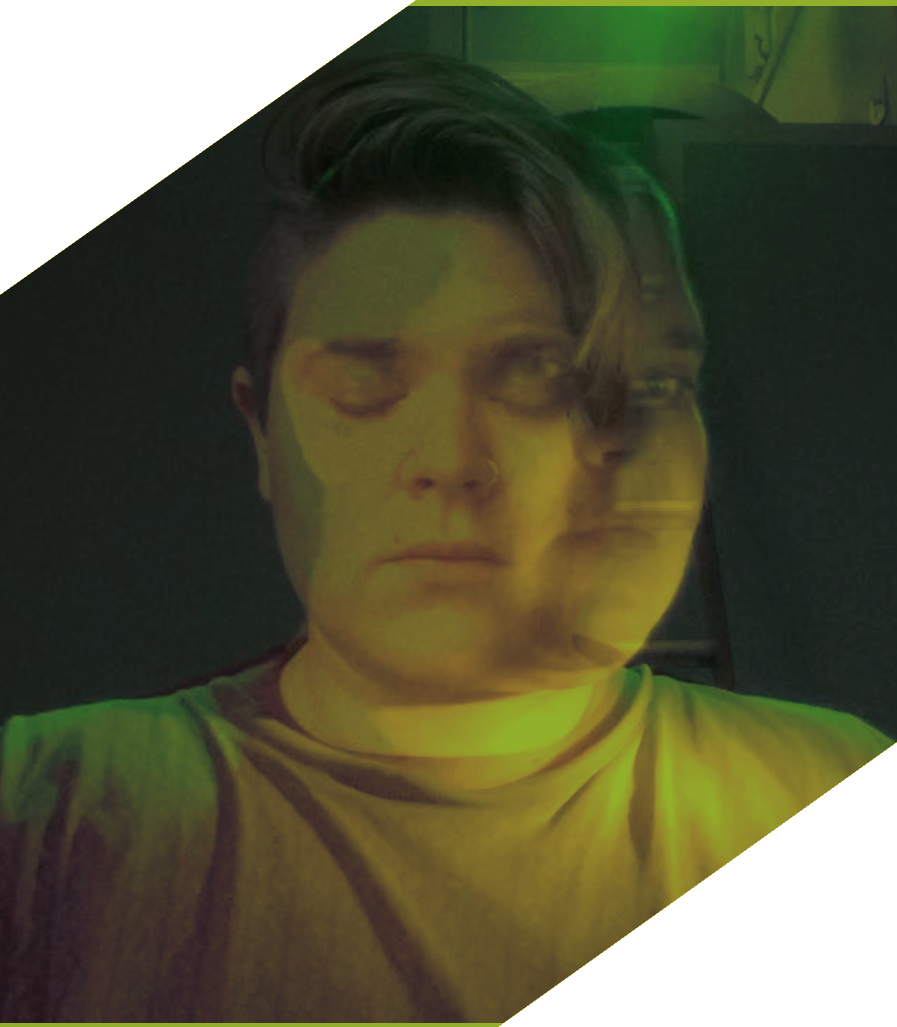
Dani Williamson
Multidisciplinary artist working with video, sound, text, and performance. They explore embodied perceptions of space attuning to the tensions between virtual and physical realms. Their practice centers on questions of “place-ness” and the “phenomenology of the in-between” with creative outputs spanning from large scale video projections, online writing groups, to site-specific audiovisual performances which engage surrounding locations, artists and communities.
Dani is a co-artistic director and performer in Ptilia Ensemble (Haifa) and co-creator of Queered Futures Lab. They have been a participating member of the Avatar Orchestra Metaverse (AOM) since 2023.
Born in a cornfield in the Midwest, United States, Dani graduated in 2011 with a BA in film from SIU, Carbondale, Illinois and in 2014 with an MFA in Digital Arts + New Media from UC Santa Cruz, California.
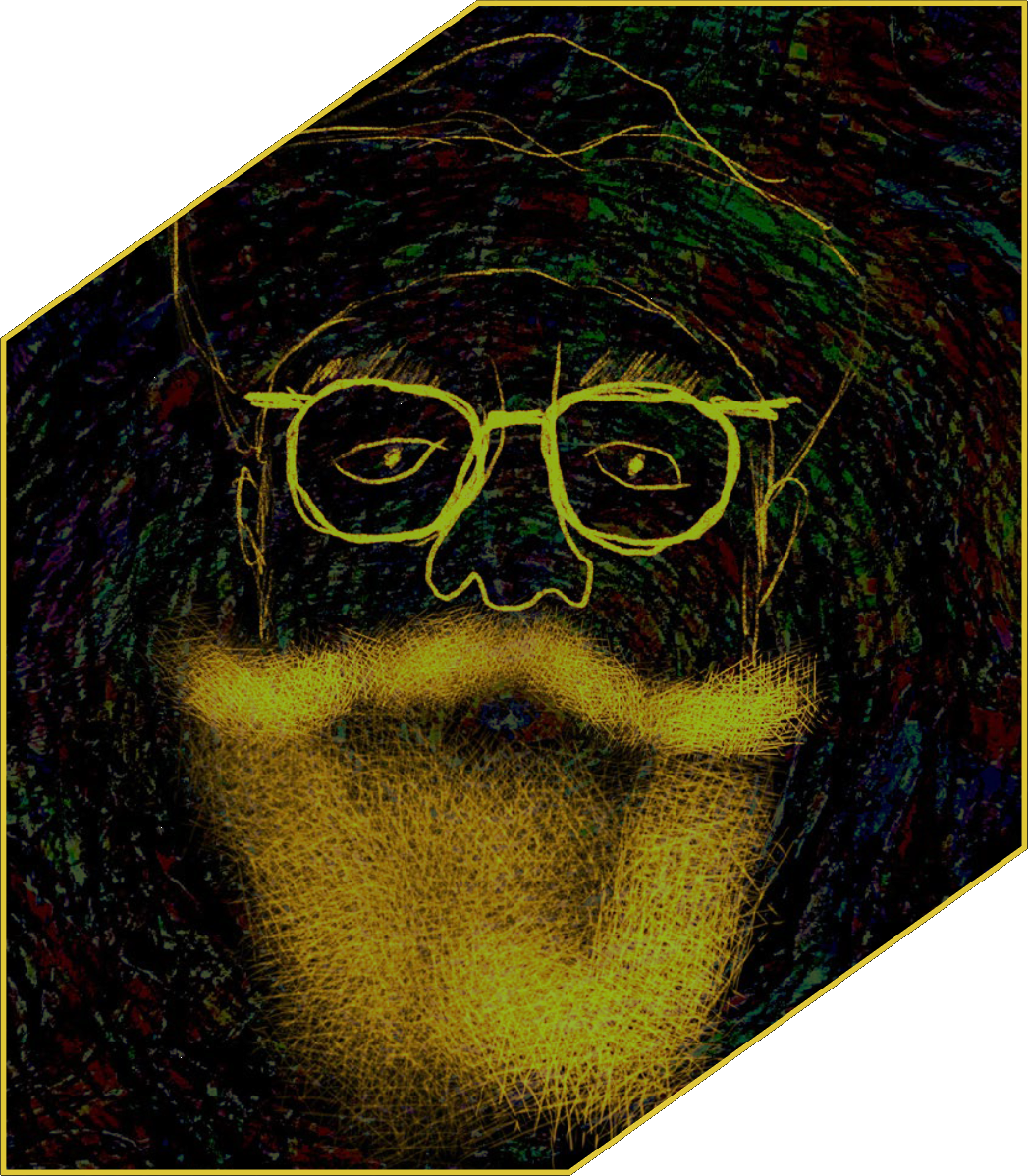
Harald Muenz
Italian-German citizen, creates transdisciplinary instrumental, vocal, radiophonic & digital sound-work with an artistic focus on phonetic speech composition.
Harald's music has been performed & broadcast internationally & is available on several CDs (e.g. Portrait-CD nearly-fast with Ensemble Mosaik Berlin on Coviello).
Compositions have been commissioned by ensembles such as Apartment House, auditivvokal, hand werk, KNM Berlin, Modern, Mosaik, musikfabrik, Hessischer Rundfunk, Westdeutscher Rundfunk, the BBC, Deutschlandfunk & DLF Kultur.
Also active as a multilingual language performer (including SprachKunstTrio sprechbohrer since 2004), author & occasional lecturer. Performance duo Fake Music Association with the extreme vocalist Bettina Wenzel. Frequent collaborations with experimental poets (including F. Neuner, M. Traxler, C. Forte, C. Filips, R. Domašcyna).
2021-22 The Poets' Sounds: funded by the German Federal Cultural Foundation, cooperation Ensemble sprechbohrer / Lettrétage Berlin, with 6 international poets & European tour.
Harald (aka Avatar Cuirec d'Erc) has realised several interactive sound installations on the VR platform Second Life & has been a member of the Avatar Orchestra Metaverse (AOM) since 2017.
Since the pandemic, he has significantly increased his activities in the digital space & interest in audiovisual extensions.
Harald's work is shaped by his own queer & transcultural background. It encompasses issues of language, identity & cultural diversity, allowing for multiple forms of communicative & interactive connections.
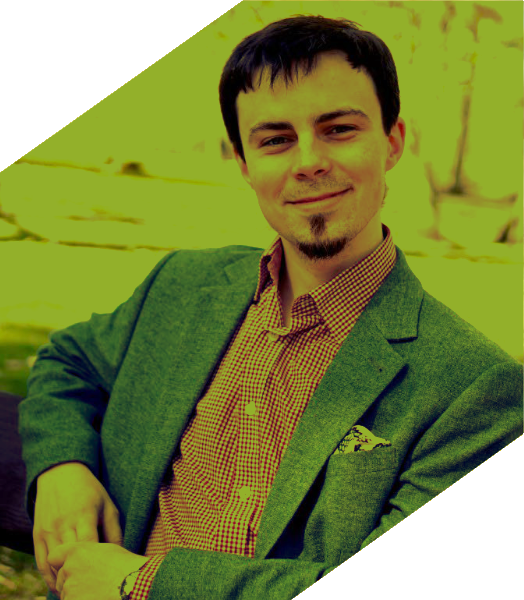
dr inż. Bartłomiej Mróz
Bartłomiej Mróz graduated with honors from Gdańsk University of Technology in 2017, earning a master's degree in engineering. During his studies, he participated twice in the Erasmus+ program, both for engineering and master's studies, at the University of Ljubljana (Slovenia) and Graz University of Technology (Austria), respectively. In Austria, he conducted research under Prof. Franz Zotter of the Institute for Electronic Music and Acoustics (Das Institut für Elektronische Musik und Akustik – IEM Graz) on ambisonics and binaural sound. He then undertook doctoral studies at Gdańsk University of Technology, taking part in the InterPhD2 project. In 2023, he defended with distinction his dissertation entitled "Spatial audio for networked music performances." He is further developing his research on immersive audio through an IDUB Argentum grant awarded in 2024. It is also worth mentioning the cooperation with Zylia (Poznań) or the Chair of Music Acoustics and Multimedia at the Department of Sound Engineering at the Chopin University of Music (Warsaw), which resulted in many experiments and projects.
In addition, since the beginning of his studies, he has been associated with the Academic Choir of Gdańsk University of Technology, where he has been involved in recording production since 2017. Among his greatest recording successes are: 1st place at the NTAV 2022 recording competition, 3rd place at the NTAV 2024 recording competition, and honorable mention at the Student 3D Audio Production Competition in 2023.
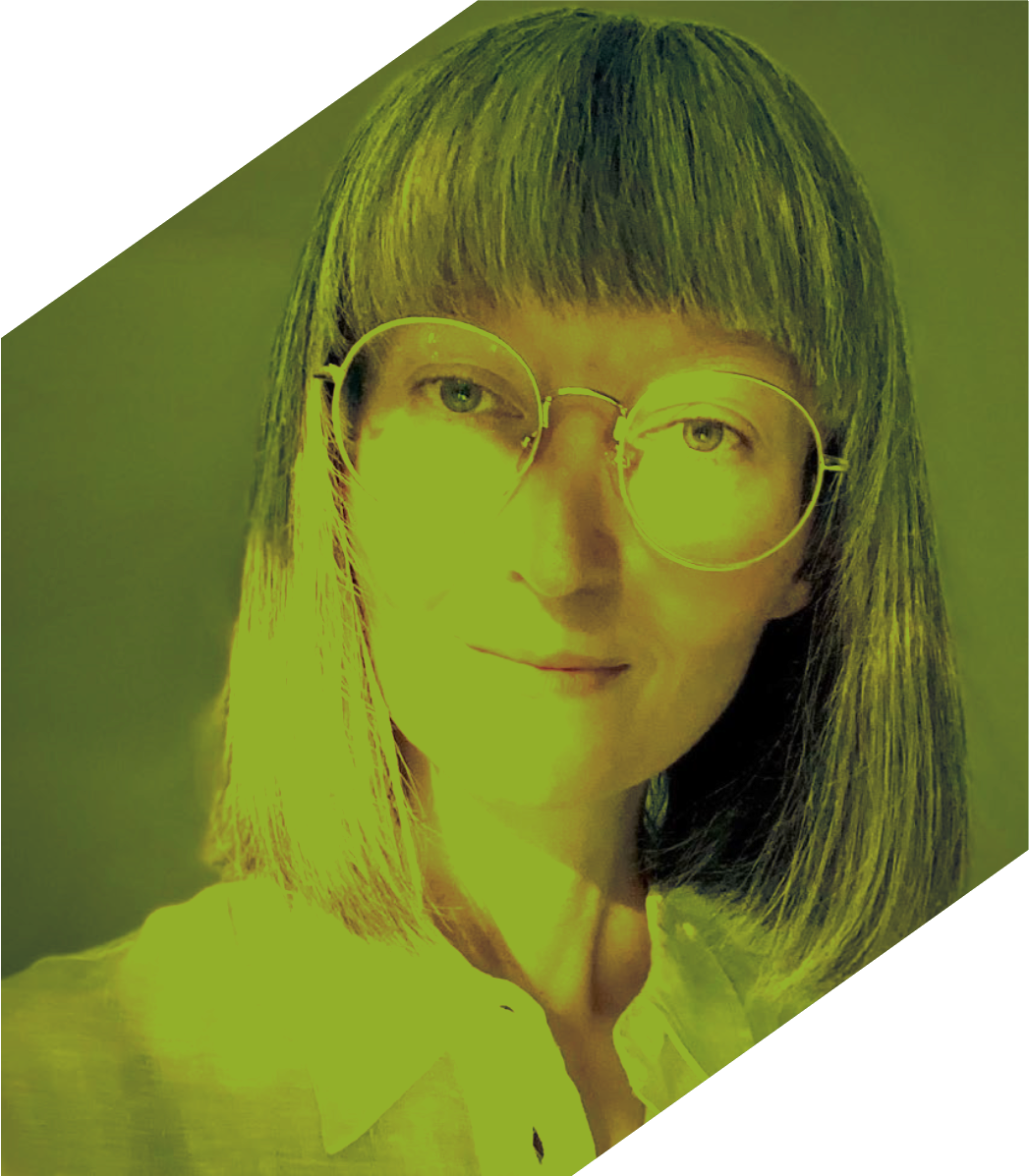
Pola Borkiewicz
Pola Borkiewicz is an artist, researcher, cognitive scientist, designer, director, creative producer, curator. She works at the intersection of Art and Science as a translational researcher prototyping solutions for complex reality problems. She has addressed challenges such as how to direct dreams for different health conditions using Neuroaesthetics, sleep science and technology or how to create a new narrative language for digital worlds.
She is currently working as a researcher at the Institute of Culture at the Faculty of Management and Social Communication of the Jagiellonian University. She headed the VR/AR Studio at the Visual Narration Laboratory vnLab at the Film School in Lodz where she led artistic and research XR projects.
From 2019 to 2023 she conducted a transdisciplinary VR research project New Forms and Technologies of Narration funded by the Ministry of Education and Science in collaboration with six research centers, Institute of Psychology Polish Academy of Sciences, National Information Processing Institute, Polish Japanese Academy of Information Technology, Kobo Association and University of Lodz. Associate of the Virtual Reality and Psychophysiology Lab at the Institute of Psychology Polish Academy of Sciences. She holds a Master of Arts in Design from the Academy of Fine Arts in Lodz. Guest lecturer at Lodz Film School, Academy of Fine Arts in Warsaw and Warsaw University. She is the creative producer of nearly twenty VR/XR works premiered and presented at international film and new media festivals. Director of the film essay series and the VR experience iHabitat. Designer of The Curator VR game. She has supported the promotion and distribution of the VR/AR Studio's works at more than thirty festivals abroad, such as the Sundance Film Festival, IDFA, DOK Leipzig, Jihlava, One World FF or VR Days, and domestically at events such as the Krakow Film Festival, Gdynia Film Festival, New Horizons, Millenium Docs Against Gravity or WRO Biennale. She is working on a monographic publication Towards the New Paradigm of XR Narration. She prototypes, develops and publishes in the fields of human interaction with hybrid reality, interactive digital narratives, neuroaesthetics, sleep and dream research, bioethical implications of the development of virtual environments and artificial intelligence.
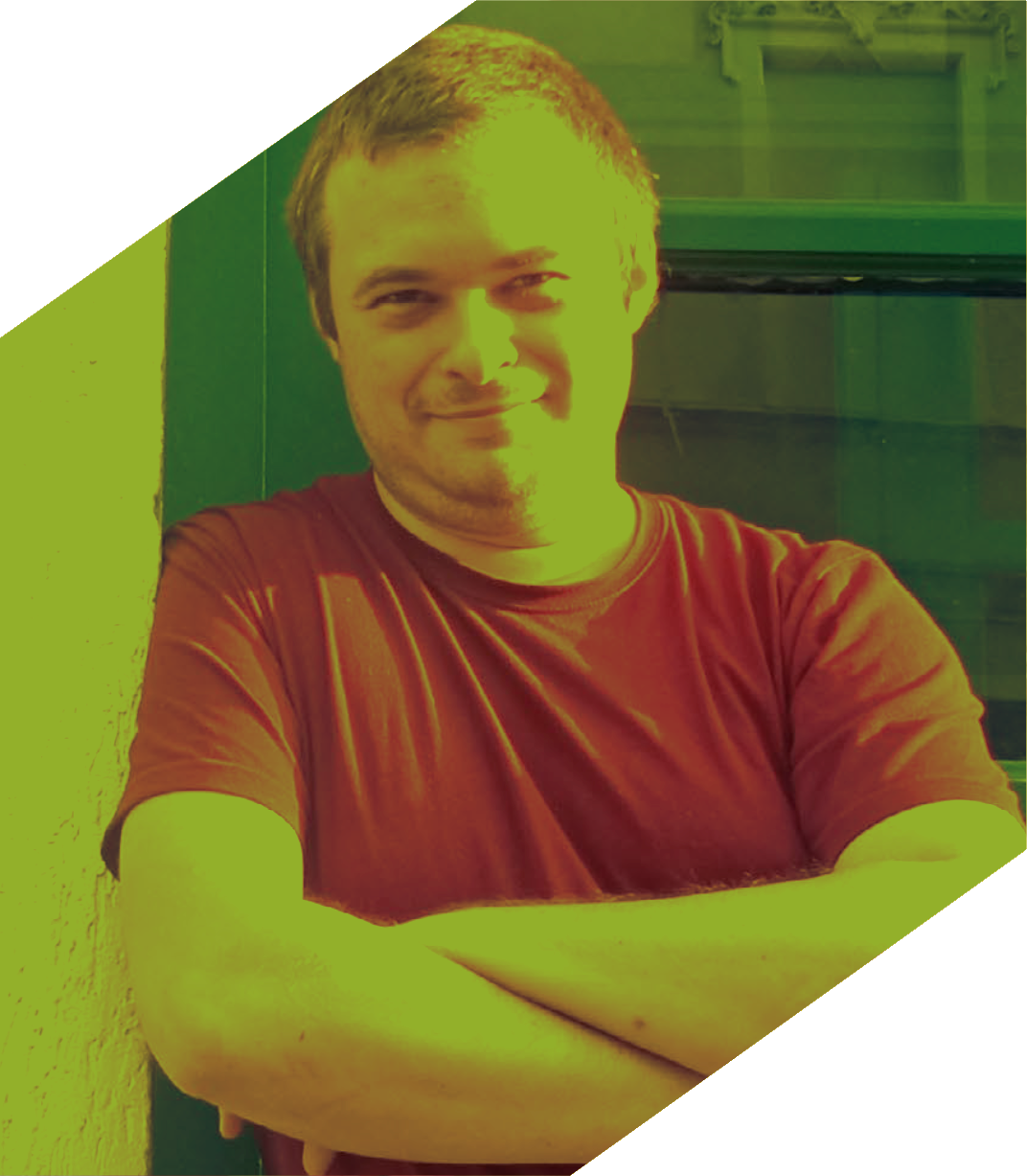
dr Antoni Michnik
Historian of culture, sound studies scholar, writer, editor, performer, curator. Co-founder of Grupa ETC, group of avant-garde researchers and performers, editor in Glissando quarterly (since 2013). He published in various journals (i. a. Kwartalnik Filmowy, Konteksty, Kultura Współczesna, Dialog, Dwutygodnik.com, Szum, Ruch Muzyczny, Zeszyty Literackie) edited exhibition catalogues and conference publications, curated exhibitions (i.a. for TRAFO in Szczecin) as well as programme for Ad Libitum and Neoarte festivals. Co-editor (with Klaudia Rachubińska) of the first book written on Fluxus by Polish authors, Narracje - Estetyki - Geografie. Fluxus w trzech aktach by Grupa ETC (2014), and co-author (with Izabela Smelczyńska) Poza rejestrem: rozmowy o prawie autorskim (2015).
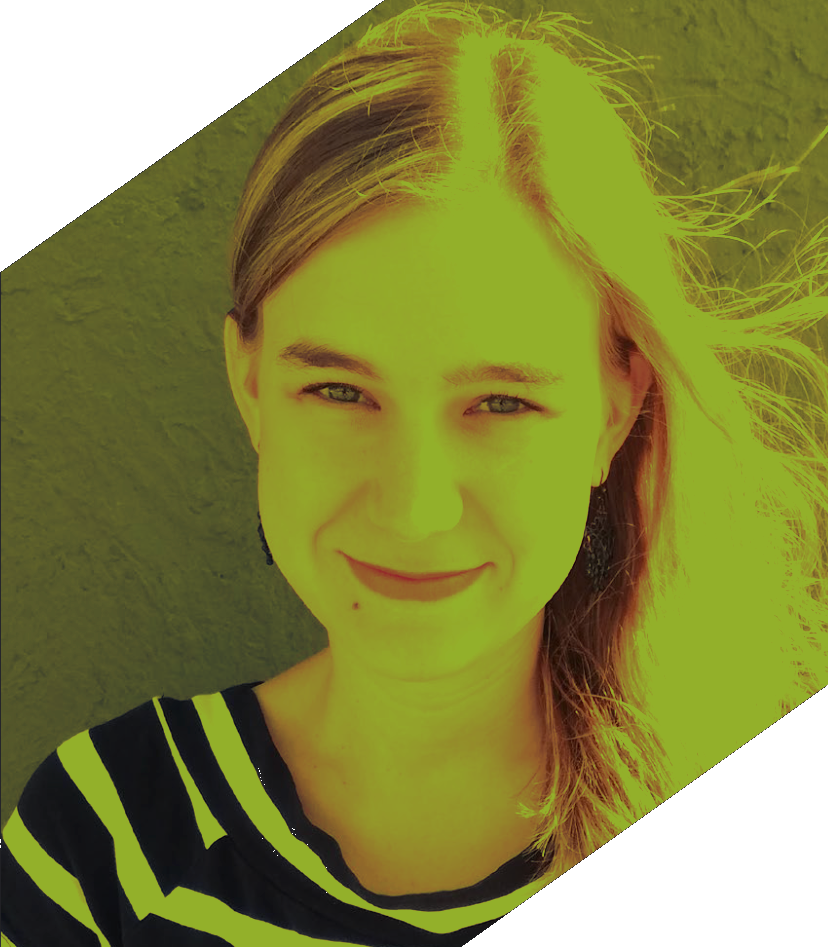
dr Marta Gospodarek
Marta Gospodarek works in the areas of spatial audio, sound design, and psychoacoustics, with a focus on augmented reality (AR) and virtual reality (VR). She earned her Ph.D. in Music Technology from New York University, where her research explored the acoustic and perceptual factors influencing the plausibility of sound design in AR environments. Dr Gospodarek has worked as a spatial audio researcher at IRCAM in Paris, where she led perceptual studies and developed AR audio systems with real-room acoustic simulations. Her innovative work in immersive audio has contributed to the development of spatial sound technologies for collaborative music performance in virtual environments and the advancement of VR-based therapeutic applications. Her experience also includes contributing to VR/AR projects at NYU’s Future Reality Lab, where she designed sound for collocated XR projects showcased at events like the Tribeca Film Festival and SIGGRAPH. In addition to her research, Dr Gospodarek has taught music technology courses at the Chopin University of Music and New York University. She has received numerous accolades, including the STEM Chateaubriand Fellowship and the AES Educational Grant.
dr Weronika Lewandowska
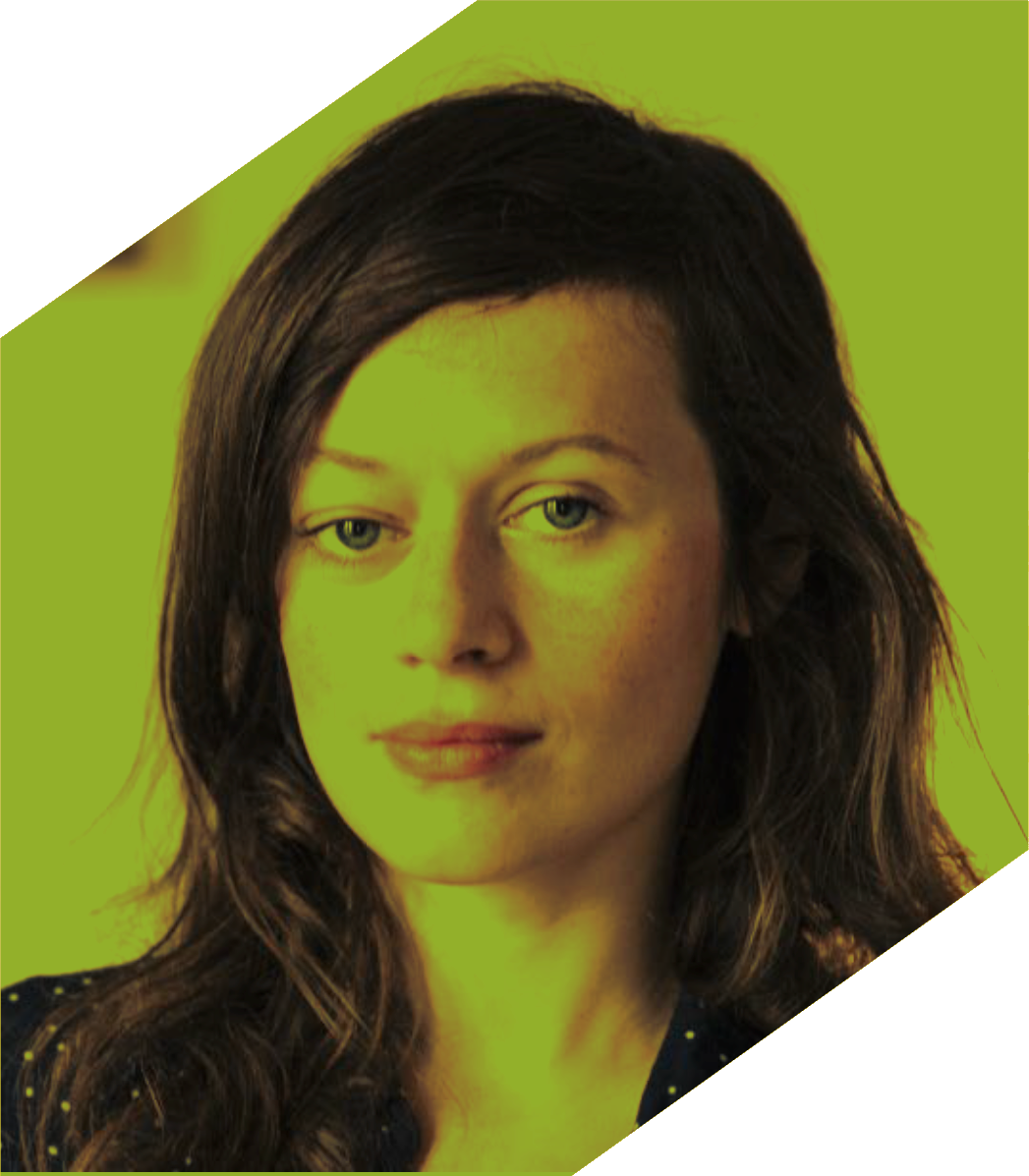
Coordinator of DOK Exchange XR, poet, and performer with a PhD in cultural studies. Co-creator of Nightsss, premiered at Sundance. Mentors Climate Challenge XR for ESA, writes XR climate games for Guest XR at the University of Warsaw. She curates innovative XR showcases.